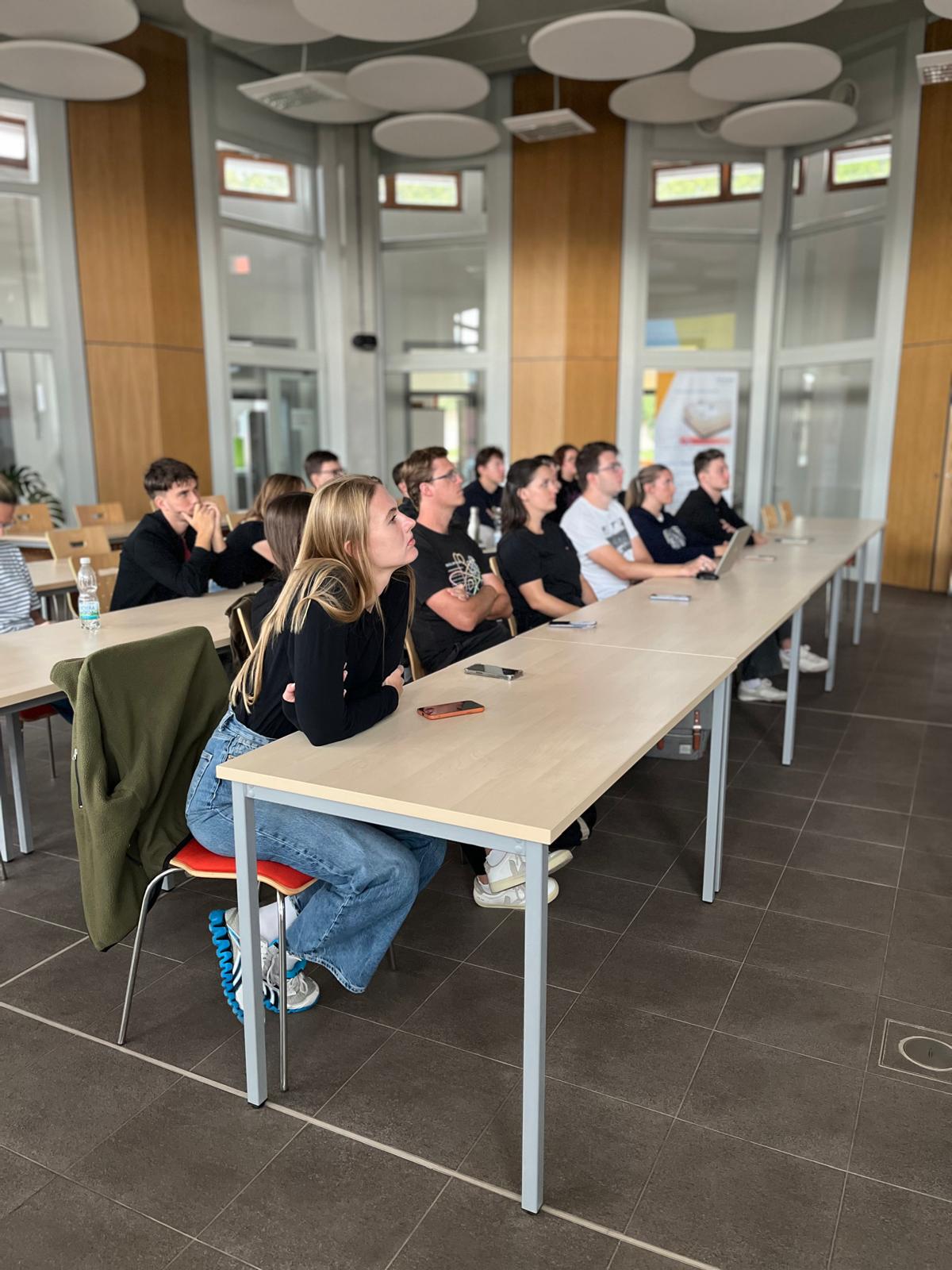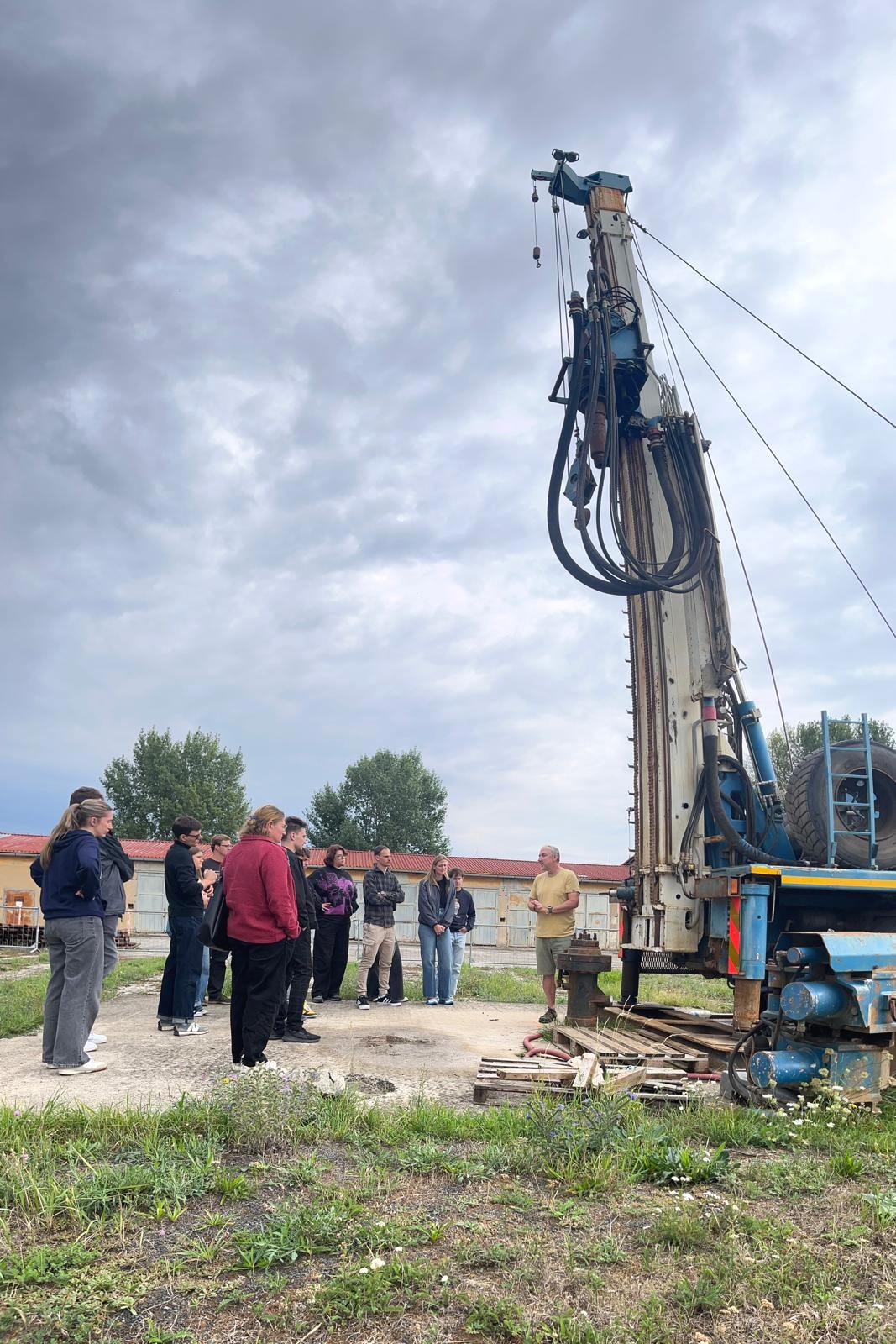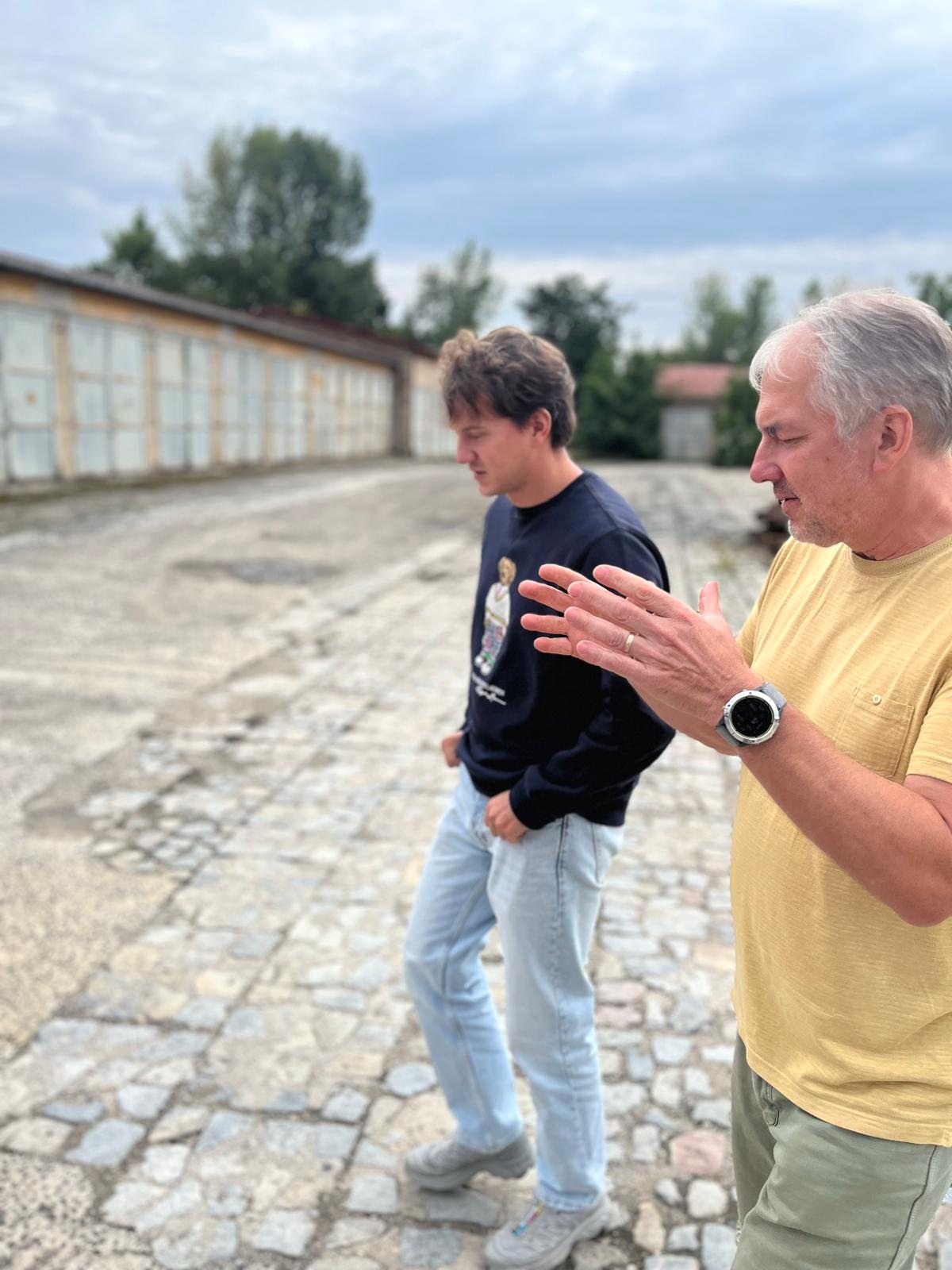

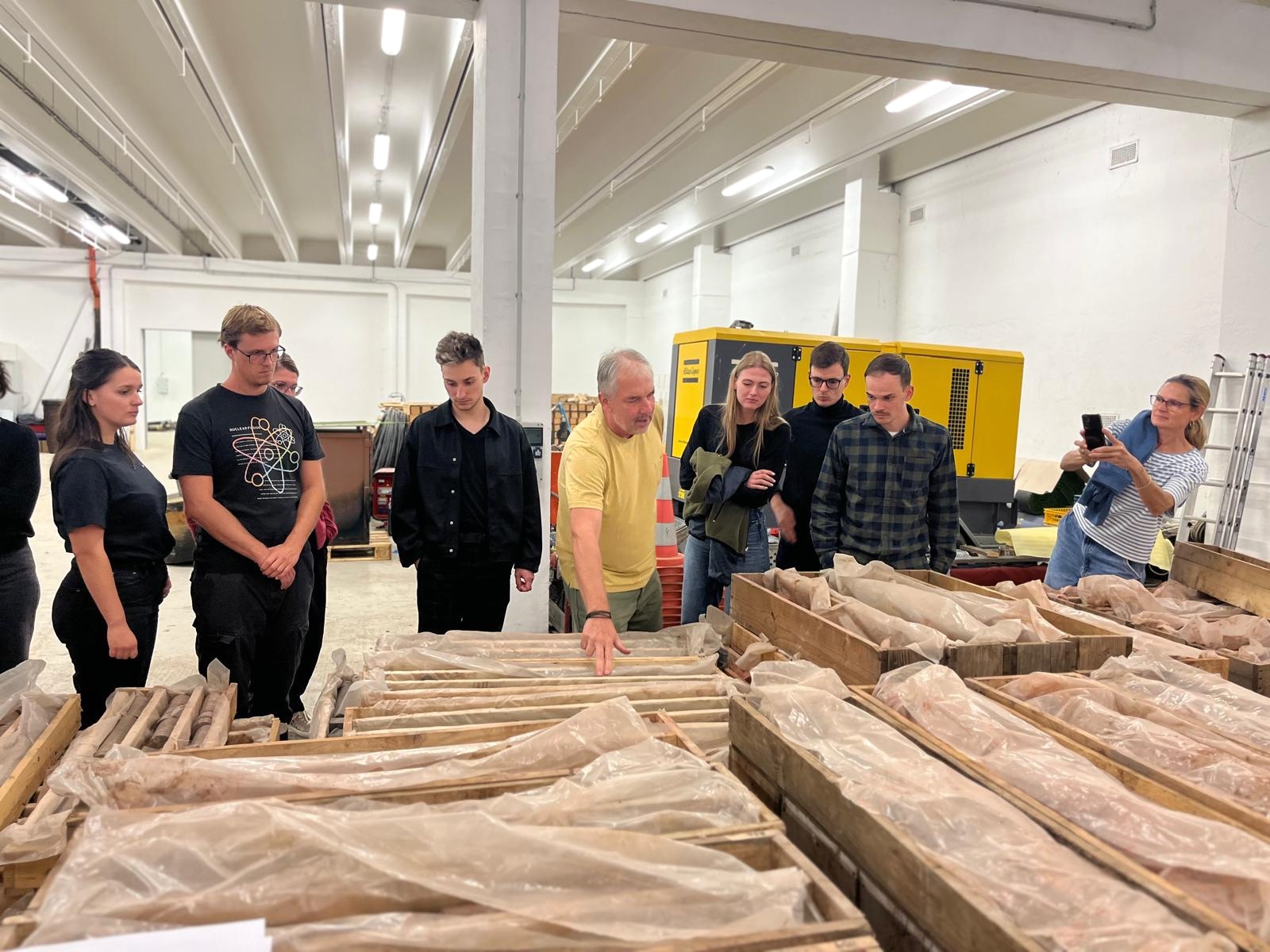
Over the course of a few days in August, the center hosted two distinct groups. First came environmental education instructors participating in the SEVER program, followed by sixteen university students attending the SÚRAO Summer School. The group included students specializing in geology, hydrogeology, chemistry, nuclear engineering, civil engineering, and political science. While their professional backgrounds and experience varied, they shared a common interest in what lies beneath the Earth's surface.
Geothermal expert Petr Dědeček from the Institute of Geophysics of the Academy of Sciences presented a comprehensive overview of geothermal energy, ranging from shallow boreholes and underground heat storage to deep systems that harness heat from rock formations at depths of several kilometers. He explained the differences between the various technologies and outlined the SYNERGYS project's aim to develop both shallow and deep geothermal sources, as well as underground energy storage methods, in Litoměřice.
In-depth questions
However, the most interesting part of the program wasn't on any of the slides; it consisted of questions from the attendees.
How are individual aquifers protected during drilling? Is it possible to determine beforehand what actually lies underground? What happens to the rock when heat is extracted from it over the long term? How does a fracture heat exchanger work, and can a completed borehole be rehabilitated later?
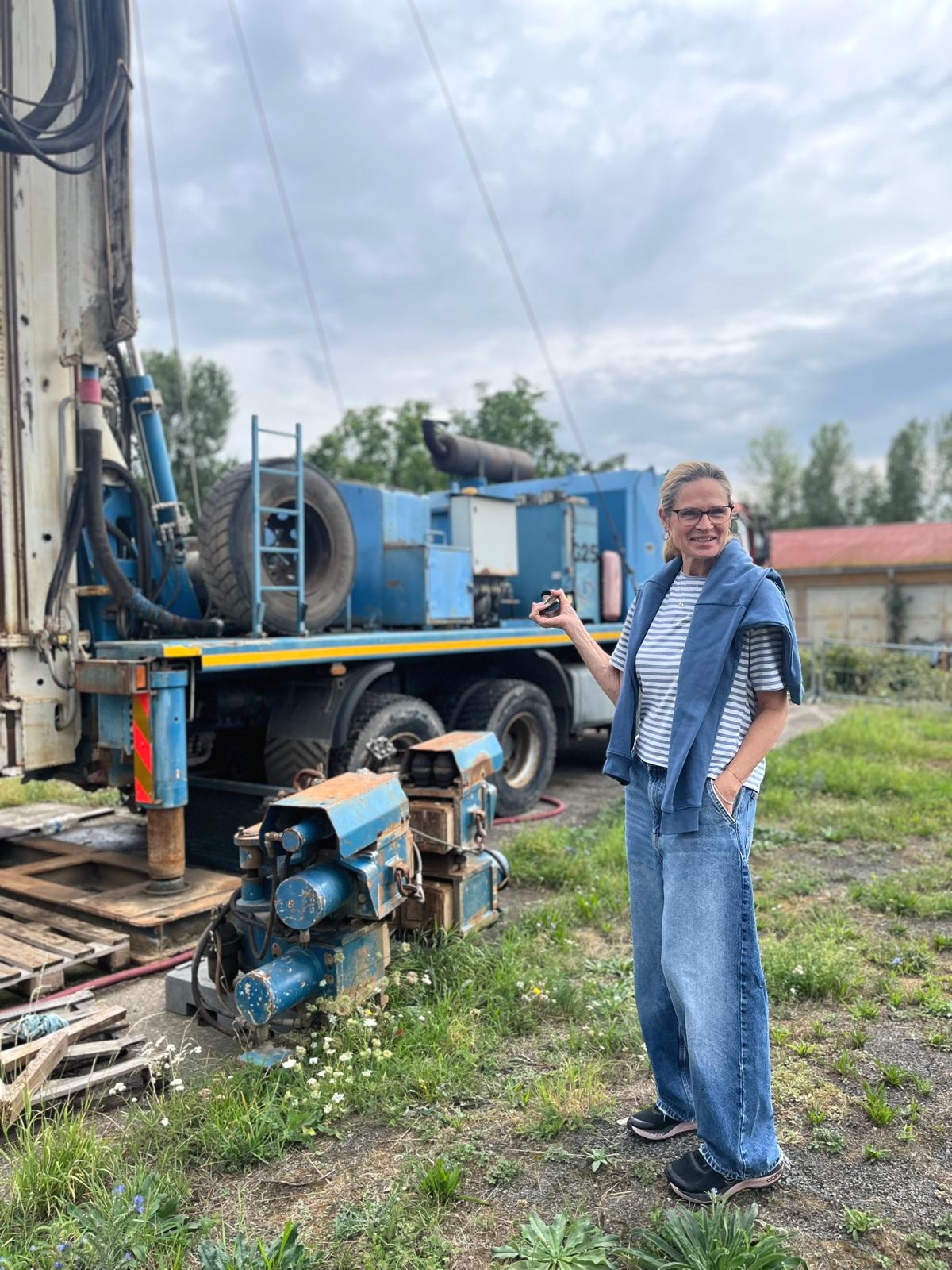
In addition to geology and groundwater protection, the discussion touched upon the practical aspects of the project. Attendees were interested in how the drilling rig is selected, what specifications it requires, how much it costs, and what financial risks are associated with executing a deep borehole. Topics included drill bits, drilling fluids, the potential presence of methane, and experiences from other countries. Furthermore, the speakers raised the issue of how to educate drilling companies and better inform the owners of shallow boreholes and heat pumps.
Petr Dědeček answered all the questions raised during the discussion and outlined the measures designed to protect groundwater and mitigate both technical and environmental risks. Additional information on the topics that interested the attendees can also be found in the FAQ section of the project website.
Research Up Close
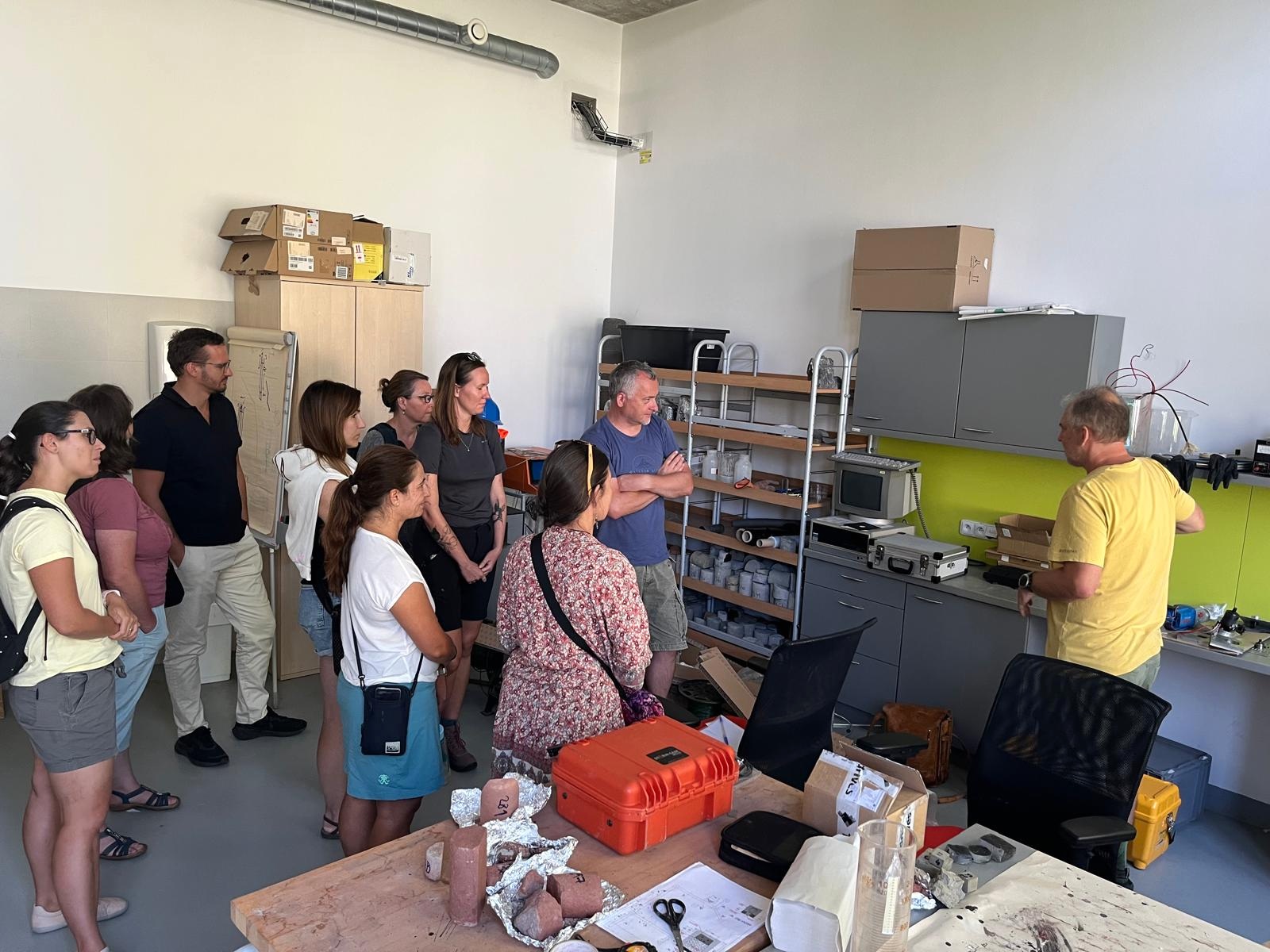
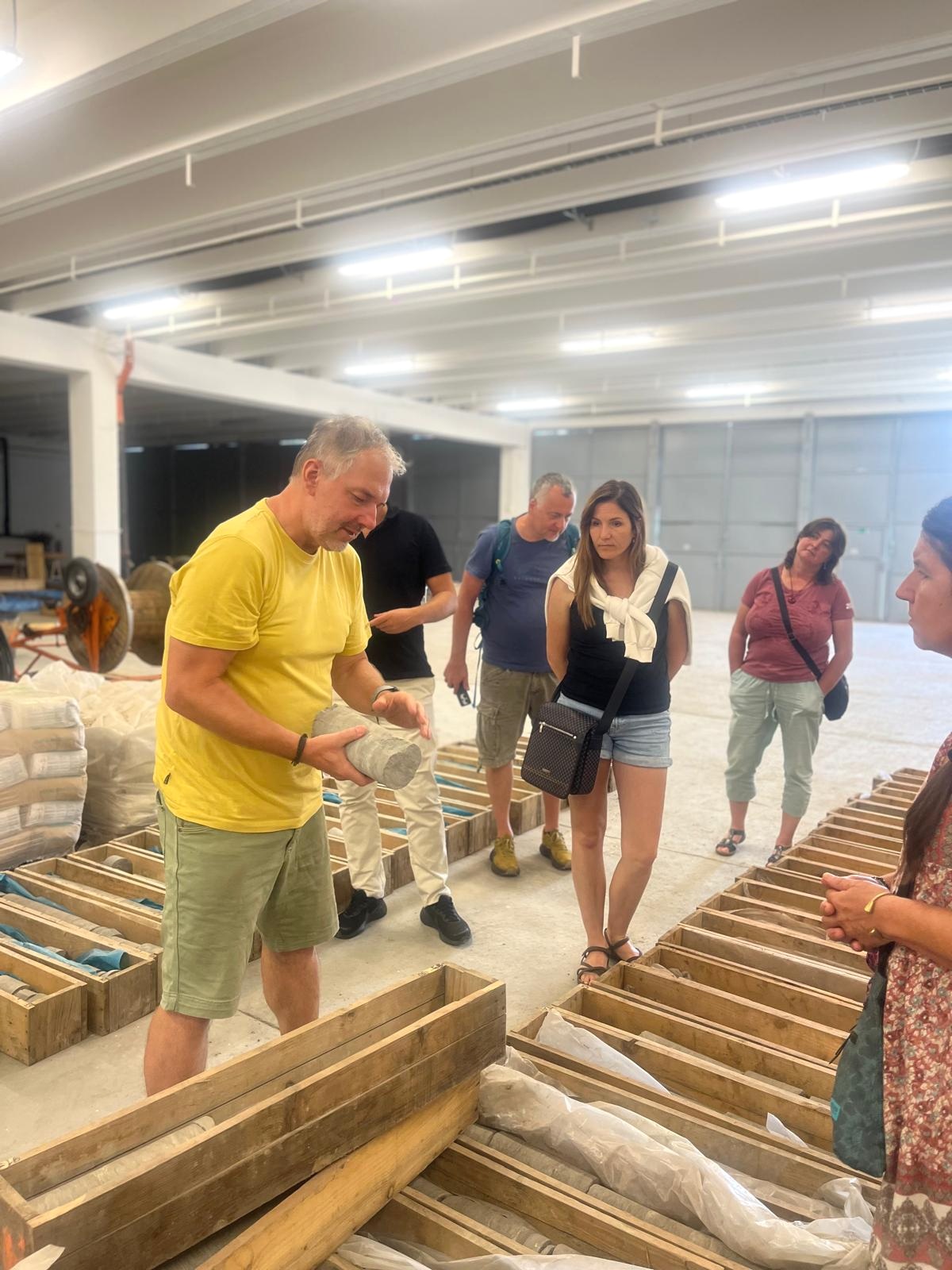
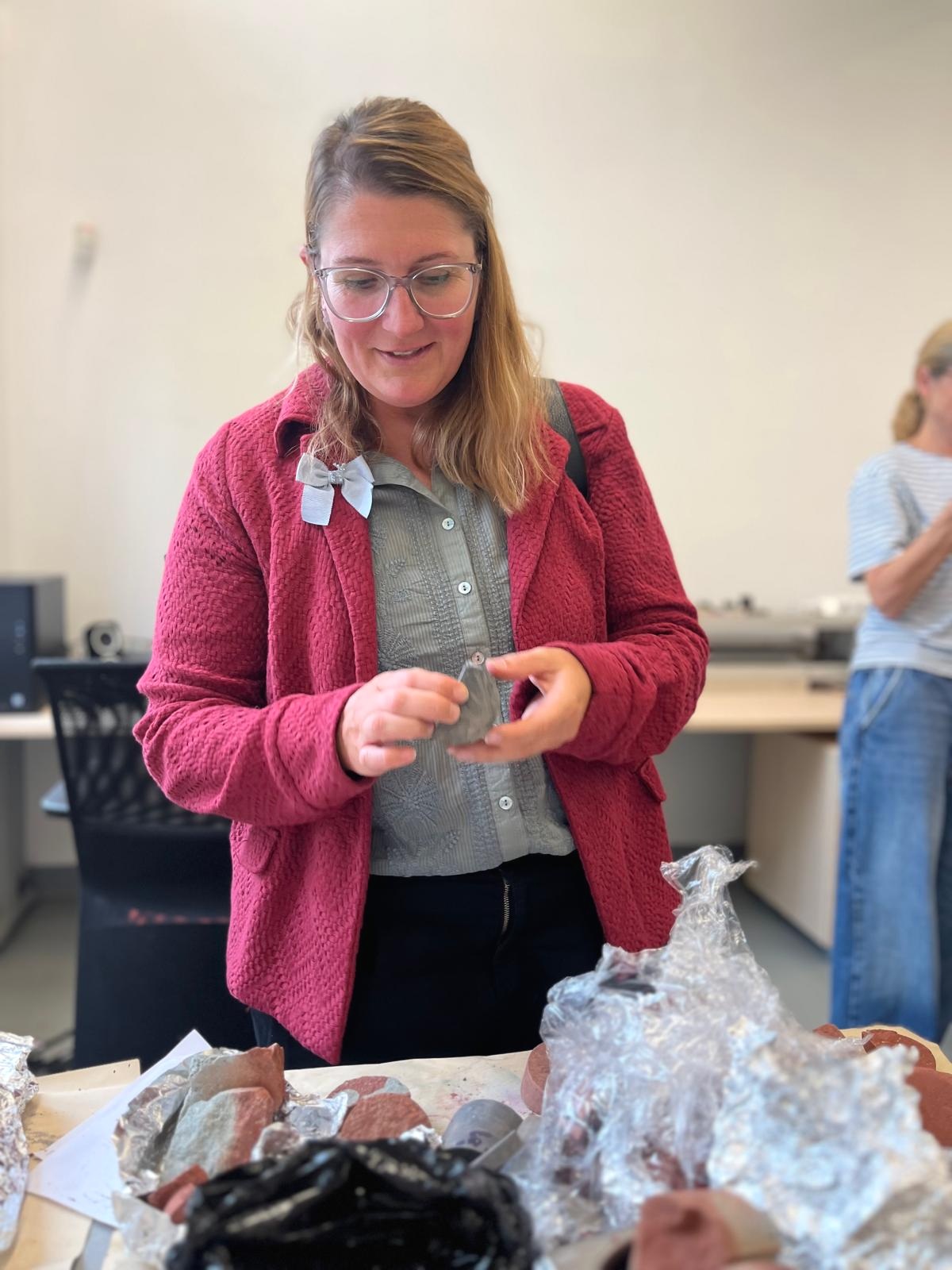
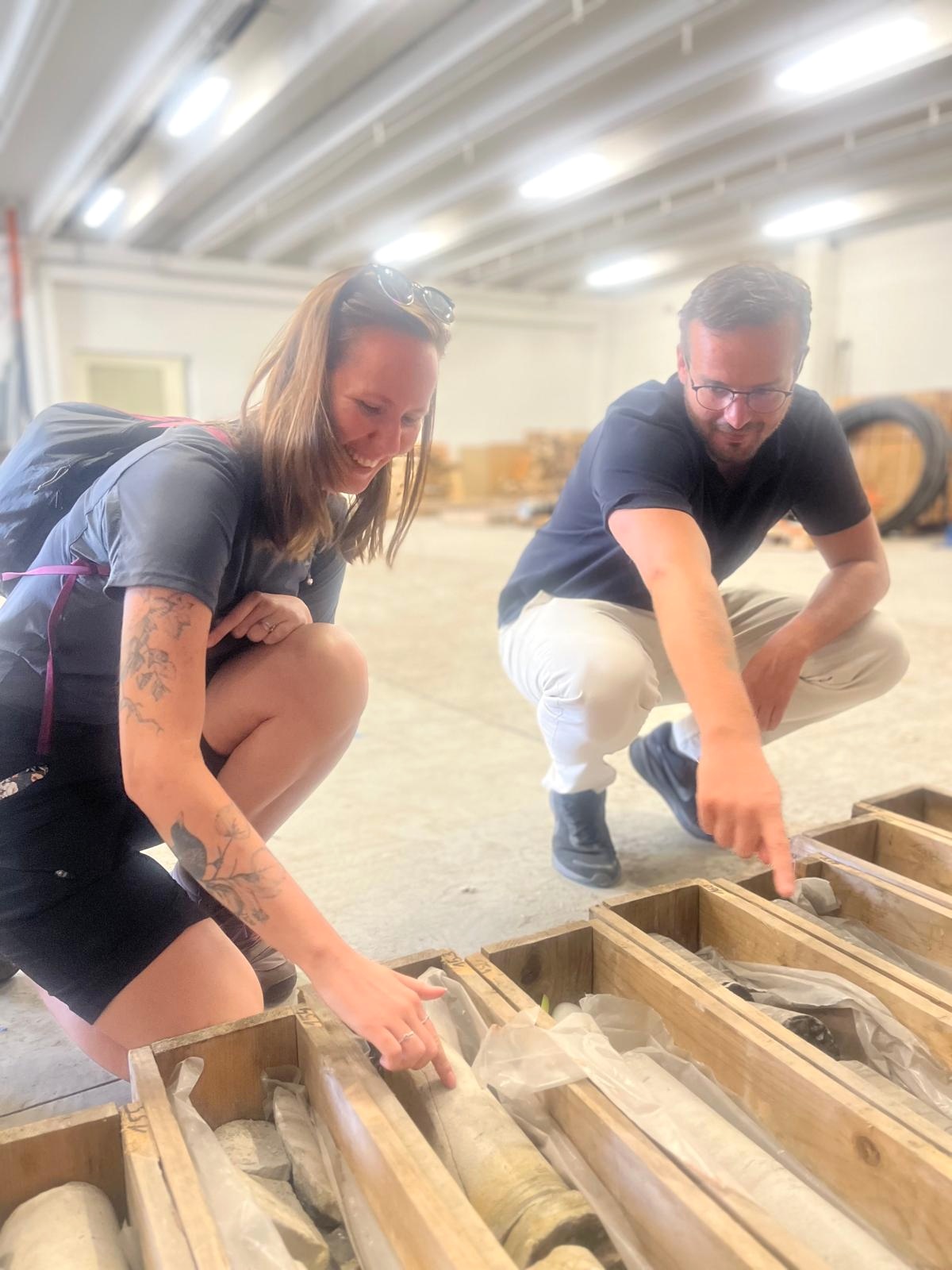
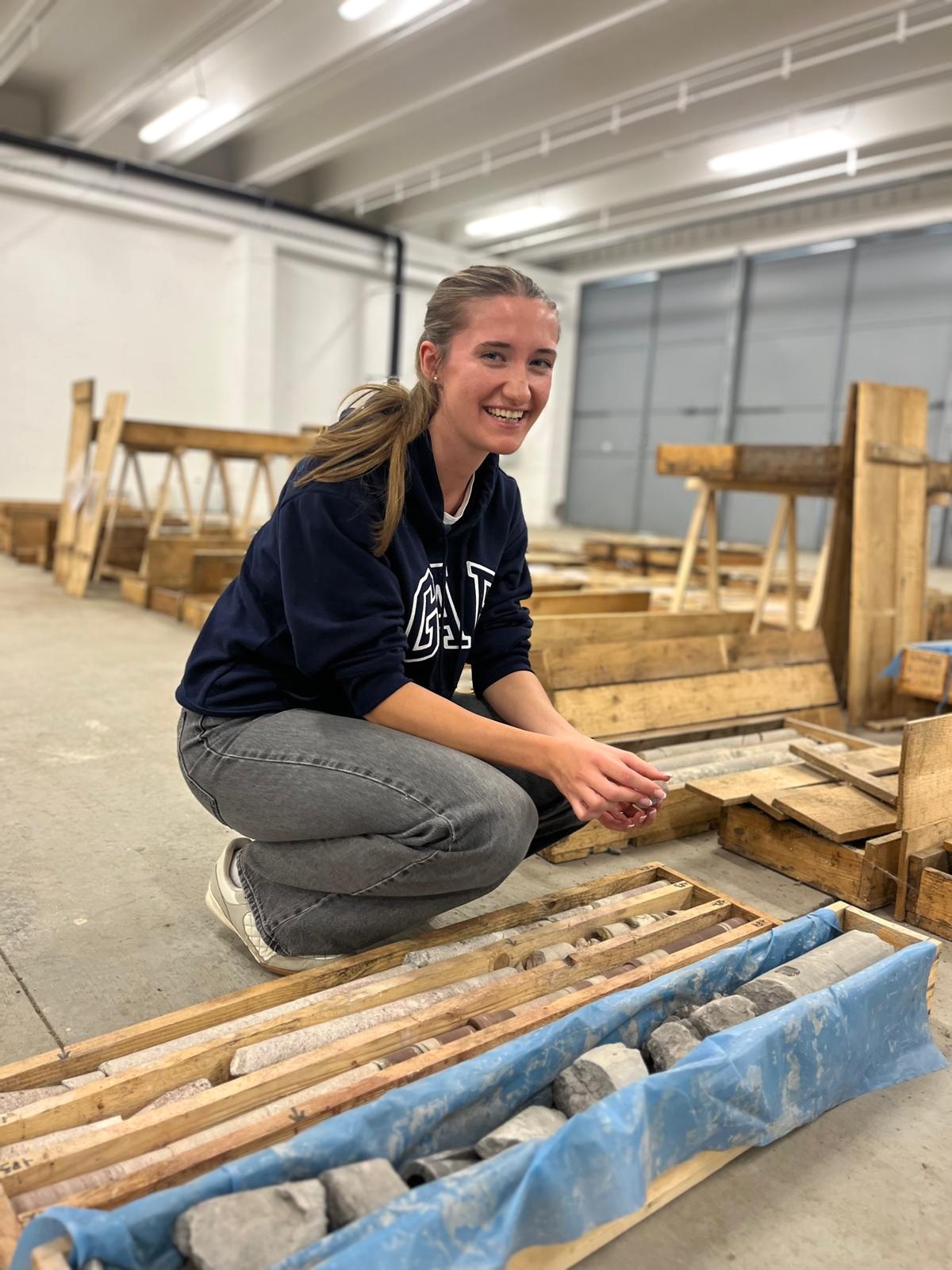
In the laboratory, theory turned into hands-on experience. Participants examined the instruments used to study the thermal properties of rocks, as well as the drill cores themselves. The combination of expert explanation and the opportunity to see the technologies and materials up close was the most frequently cited highlight in the feedback.
"In my opinion, the greatest benefit is the new energy source, which - through ongoing research - could become more accessible to the public," said student Alena Pavládyová. One participant in the SEVER excursion praised "the scope and ambitious nature of the entire project," as well as the chance to tour the laboratory and view a drill core.
Feedback as Inspiration
The visit served as a source of inspiration for the educators involved. Václav Valda, from the Česká Kamenice Elementary and Grammar School, plans to incorporate the insights he gained into his lessons on renewable energy and geology. Other participants are considering integrating geothermal energy into their environmental education programs.
Students also took away new ideas for their studies and future career paths from the visit to RINGEN. "I can certainly imagine working in this field. I’m studying hydrogeology at MUNI, and I believe that in the future, a significant portion of energy in certain regions will be derived from these very sources," one student remarked.
The diversity of the fields represented demonstrated that geothermal research is not a topic reserved solely for geologists; it bridges energy, chemistry, civil engineering, environmental protection, safety, and public communication.
At the same time, the visitors' questions revealed that geothermal research cannot be presented merely through performance metrics, depths, and technical diagrams. It is equally important to clearly explain groundwater protection, monitoring methods, economic risks, and the uncertainties associated with working deep underground.