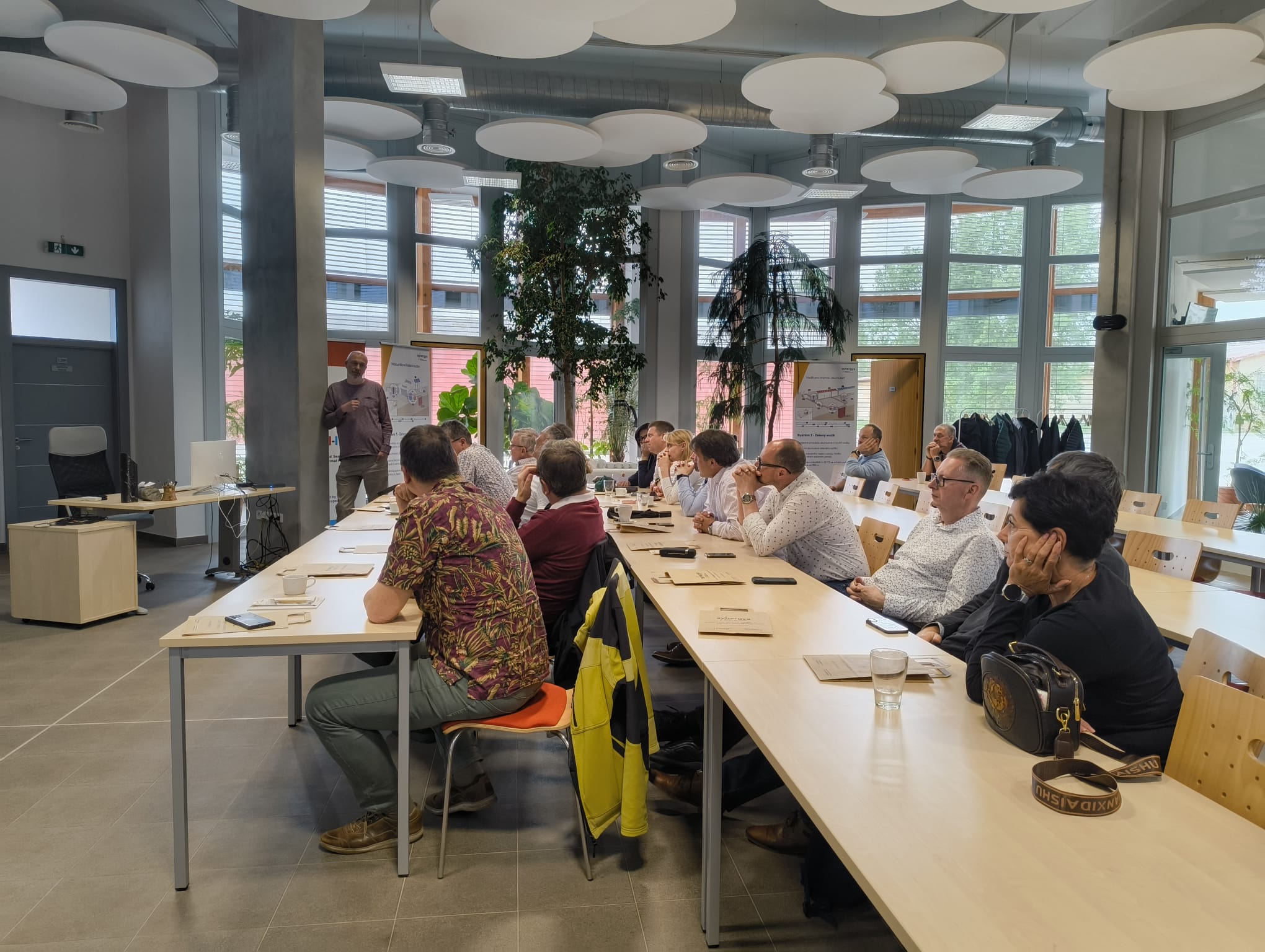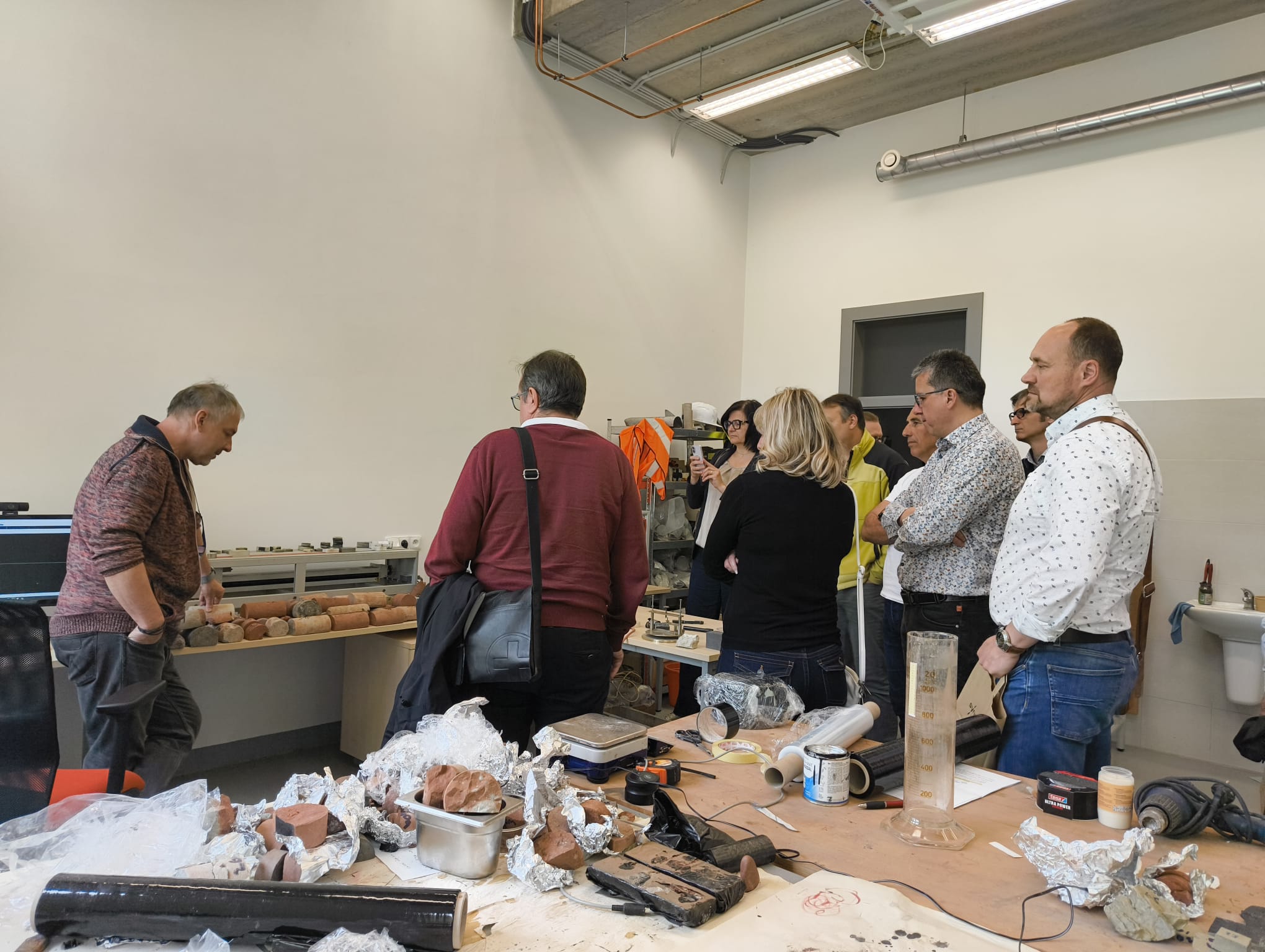

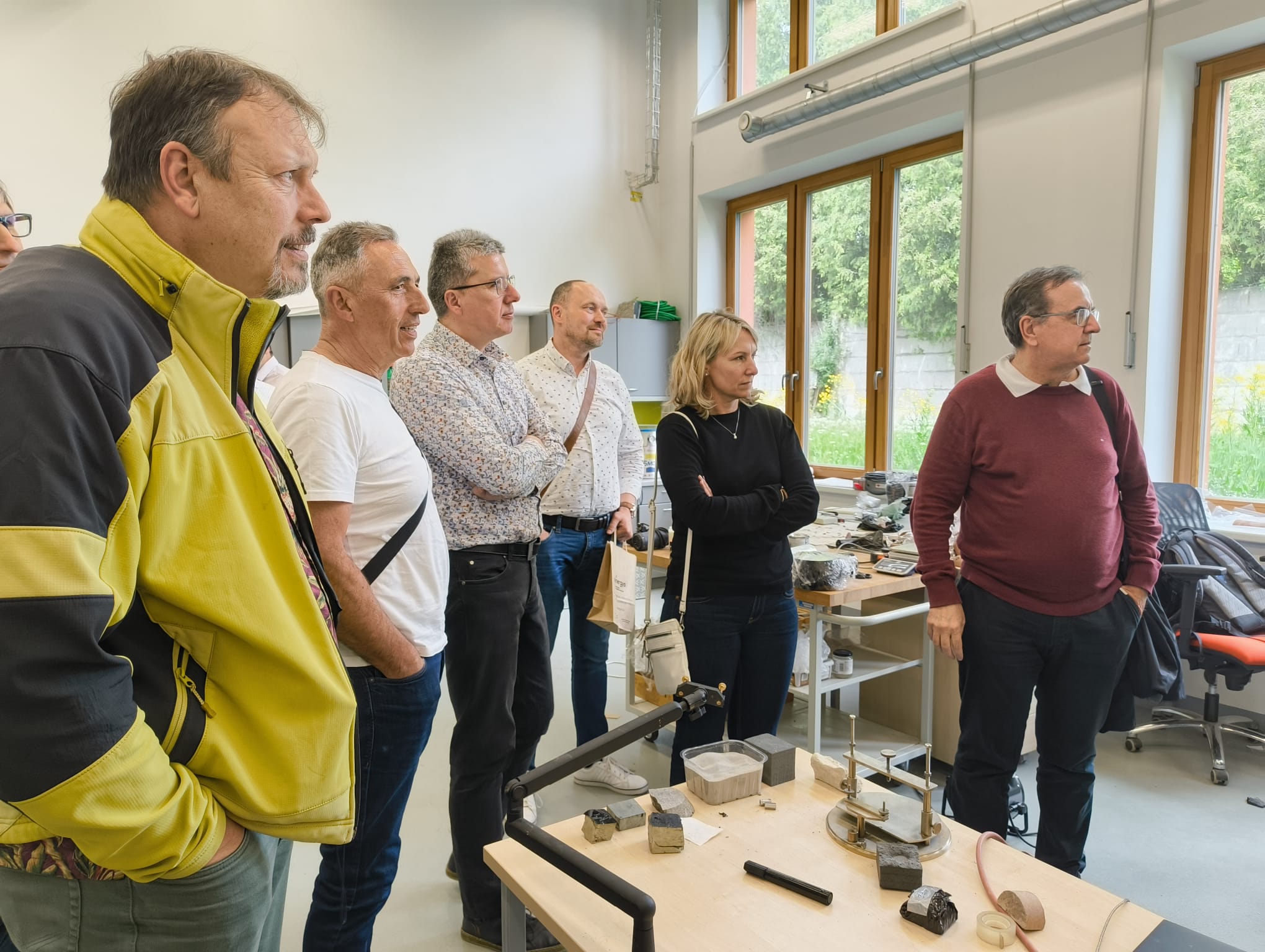
Professor Tomáš Matuška from UCEEB at the Czech Technical University in Prague (ČVUT) gave the opening presentation, in which he introduced the audience to the latest trends in the field. These include, for example, so-called “cold networks,” which effectively utilize waste heat and reduce the costs of insulation and piping, although their implementation requires well-insulated buildings.
The technological and financial risks associated with the implementation of deep geothermal wells with a planned depth of 3.5 km, which are part of one of the four systems of the SYNERGYS project, attracted significant attention and discussion. Although drilling technology is advancing rapidly, there are only a few companies in Europe with the necessary experience capable of carrying out such deep drilling, including the domestic firm MND.
Another topic of discussion was the lack of strategic support from the state. For example, in neighboring Poland, the state systematically supports the development of deep geothermal resources by providing 100% funding for the first well—which is always the riskiest stage of any project—while in Switzerland and other countries, various financial instruments or bank guarantees are in place to cover a significant portion of the risks. In the Czech Republic, such incentives are completely absent.
How does one of the participants view the entire tour and the future of the Czech district heating industry? Here is our full interview with Petr Horák, Director of Severočeská teplárenská, a.s.:
What impressed you most about the tour of the RINGEN research center?
What caught my attention most was the complexity of the research and the broad collaboration between the academic and public sectors. I consider applied research in the field of energy storage to be particularly valuable, as it has the potential to offer concrete and practically applicable solutions.
In your opinion, what is the significance of the SYNERGYS project for the Czech heating industry?
The decarbonization of the heating industry represents one of the greatest challenges facing the energy sector today. On the one hand, there are strict European requirements; on the other, the need to ensure reliable supplies of heat and hot water for hundreds of thousands of households, institutions, and businesses.
If the SYNERGYS project were to contribute to solving one of the key problems of the energy transition—namely, finding an effective and economically viable solution for long-term energy storage—it would, without exaggeration, represent a fundamental shift for the entire sector.
Which of the technologies presented do you consider promising? Which ones could be easily applied in the Czech context? Which international examples caught your attention?
I was impressed by all the methods of geothermal energy utilization presented, especially storage in aquifer layers. I knew that some research was being conducted in Litoměřice, but I had no idea it was at such a high level. I was also intrigued by the geothermal energy projects around Paris, as well as some Scandinavian projects. At the same time, however, it is important to add that many foreign solutions are non-commercial in nature and are heavily subsidized by the state. For example, in Denmark, the heating sector operates as a non-profit sector, fully regulated and supported by public funds. Given the enormous investment costs, these projects are therefore difficult to transfer to the Czech commercial environment. This makes it all the more important to invest in our own research, which can yield practical solutions and valuable real-world data applicable to our conditions.
To what extent is seasonal heat storage utilized in the Czech district heating sector?
Currently, only to a minimal extent. Available technologies do not allow for extensive off-season storage; their use is rather short-term and, at the same time, limited in capacity, which significantly reduces their systemic benefits.
In your opinion, what direction do you think the Czech district heating sector will take?
The Czech district heating sector is moving toward diversifying its energy sources, increasing the use of low-emission and zero-emission technologies, and gradually reducing its dependence on fossil fuels. A combination of gas, biomass, waste heat, renewable sources, and, in the future, some advanced forms of energy storage will play a key role.
A stable legislative and regulatory environment will also be essential, as will the integration of research with practice, so that technological development is not only environmentally friendly but also economically sustainable.
What do you consider to be the greatest risks in terms of the development of the heating sector?
The greatest risk is probably the time pressure for decarbonization, which may not always align with the technical capabilities and economic realities of operators. Another risk is the instability of the legislative and subsidy environment, which complicates long-term investment planning.
We must also not overlook the risk of insufficient availability of suitable technologies, particularly in the area of energy storage, and, last but not least, societal acceptance of energy prices, which will be a key factor in the coming years as we transition to non-fossil technologies.