
The project focuses on supporting the region's transformation through education, awareness-raising, and working with target groups on transformation-related topics. The theme of geothermal and modern energy naturally fits into this framework as one of the key areas linked to the transformation of the region, the sustainable use of resources, and the systematic education of both teachers and students.
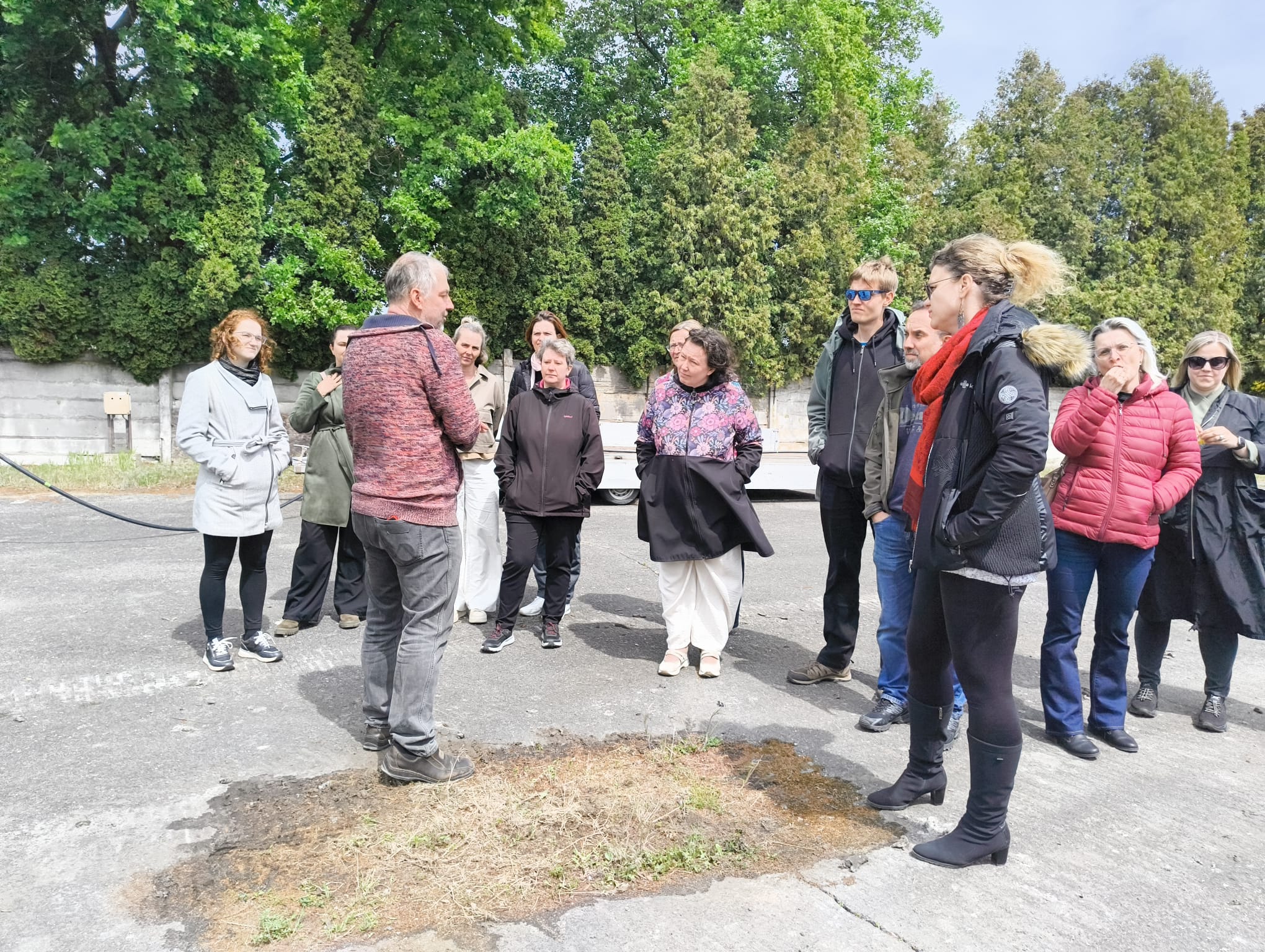
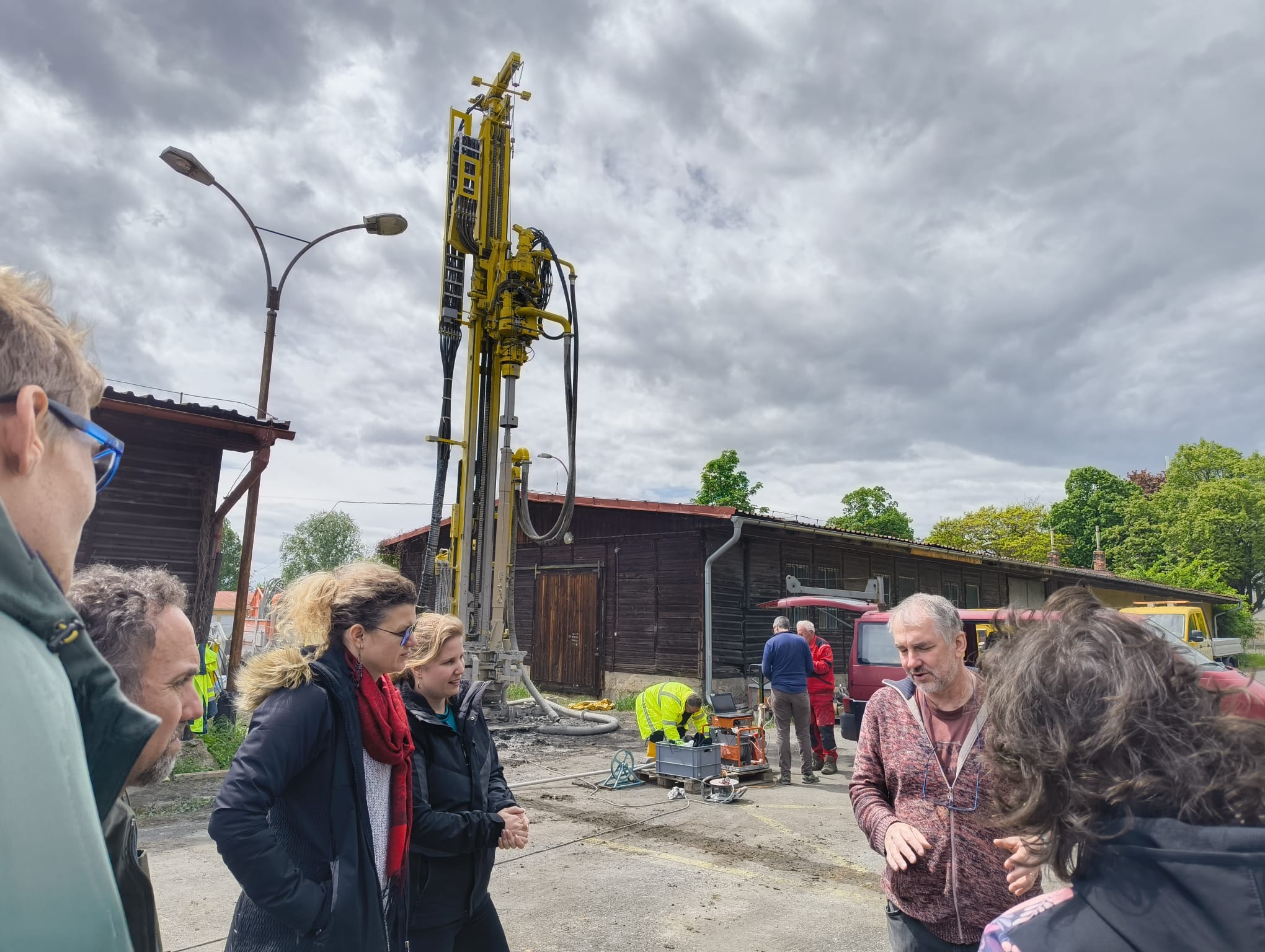
The RINGEN research centre offered the excursion participants a unique opportunity to look behind the scenes of a top scientific facility and to get to know the topics of modern energy not only theoretically, but literally first-hand. The course of the event was also highly praised by Daniela Spiesová, guarantor for didactic materials of the Transformation through Play project, who noted that the excursion particularly caught her attention due to the high professional level of the commentary and the opportunity to see certain things truly live, rather than just as a technology described in a presentation. She added that it was very interesting to see rock samples obtained from the borehole, the actual instruments, and the background of the research centre, and she appreciated that the presenter was able to explain the professional topic clearly and within a broader context.
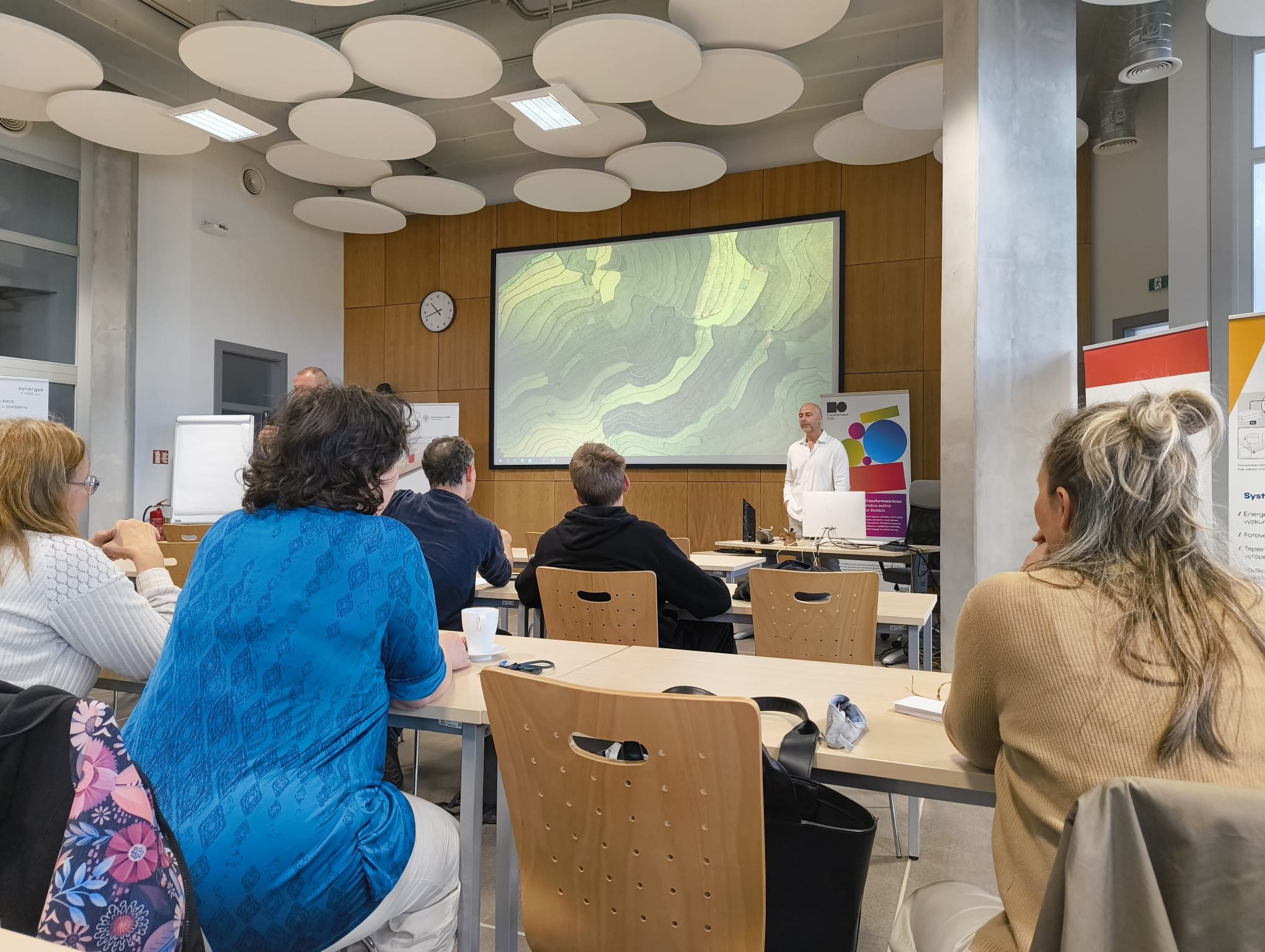
The main point of the program was a discussion on promising energy alternatives, dominated by the topic of combining multiple different technologies. The future does not lie in an isolated solution of a single source, but in their thoughtful integration. Great attention was drawn to the stability of geothermal energy, which, unlike weather-dependent sources, represents a steady and reliable pillar of the energy system. The participants were surprised by specific technical and economic details, such as the demanding technological solution of drilling, temperature changes depending on depth, the method of securing boreholes, or the financial aspects of preparing the entire system. Alongside large energy units, the lectures also addressed the practical use of modern elements for municipalities, family homes, and individuals, where battery storage, community energy, and energy sharing principles play a crucial role, including related economic or tax aspects.
As part of the lecture block, participants also focused on other current ecological and societal challenges. A significant topic was the blackout of 2025, where the presenter analyzed the probable causes and presented possible preventive solutions to increase grid stability. Attention was also paid to a detailed assessment of the environmental footprint of photovoltaic panels, their lifespan, recycling options, and the fact that their production itself already utilizes renewable resources. Closely related to this was the presentation of the concept of virtual batteries and the reuse of refurbished electric vehicle batteries, which find a new life precisely in storing clean energy from photovoltaics. Last but not least, the participants focused on the young generation's approach to waste sorting, where the role of school EVVO coordinators is completely indispensable, as they motivate students and communicate effectively with parents.
The SYNERGYS project itself represents an invaluable platform for educators. As Daniela Spiesová adds, the project connects multiple areas of modern energy, research, and technology while not neglecting education and awareness. She sees great importance in the fact that such a project can serve experts, schools, teachers, and the general public as a concrete example of energy transformation in practice. The experience from the excursion clearly confirms that personal contact with scientists and the opportunity to see technologies in operation gives environmental education a completely new dimension.